Digital Marketing in Freemasonry

Digital Marketing in Freemasonry

If I Can’t Find You On
Google, You Must Not Exist

How you can effectively
communicate with every
Brother in ONE click

As a digital marketer, it is painful to explain to brands the importance of an updated, relevant website. It hurts even more when discussing how social media platforms provide more reach and opportunities to connect with people interested in your brand. My internal voice screams, “IT IS ALMOST 2023!” Facebook is almost old enough to drive. The Internet and cell phones have been around since the mid-1990s! Why are we acting like a website or a digital plan is something new? Most Americans living today have always used some form of personal technology. Yet, one of the biggest challenges facing the oldest fraternity of men in the world occurs when you try to Google “Freemason lodge near me.” The results often lead to a “private group” on Facebook, a website launched in 1999 and left to float into the deep recesses of the interwebs, or worse yet, nothing.

“Communication creates clarity” is a line I regularly use in my staff meetings. One of my big pet peeves is hearing “nobody told me” from colleagues and team members. The routine for my team meetings is to break down “three big things and end with a big clap.” In business, we are expected to deliver results yesterday while hitting moving targets. This is why I find the lack of communication ironic in Masonic lodges – especially with the members. Think about the opening and closing of the Lodge… if only the Master and Warders were in step outside of meetings as much as they are IN giving direction to the Brothers during stated communications.

I reached out to WB Curt Robinson III, Past Master of Denver Lodge #5 A.F. & A.M. of the Grand Lodge of Colorado. Denver #5 is an example of a Lodge that uses technology to communicate with members and guests effectively. “Masons are not on the ball when it comes to doing this,” WM Robinson stated when we outlined the “Google search” problem. Instead of focusing on what Lodges are doing incorrectly, I wanted to showcase Denver #5’s progress as a repeatable success opportunity for others to follow.

You can skip to the bottom of this article for a complete list of recommendations and low-budget/no-cost options to create your Lodge playbook. For now, we’ll break down the three significant components of Denver’s digital strategy.

Emails

When Facebook passed 1 billion members and Twitter hit over 225 million users, many of us believed that the days of email marketing were over. The average person now has two email accounts; I have five. Two are for work, one is my primary account, and the other is for school/personal projects that need their own Gmail account and Google Drive space. Email is still the primary method that many businesses, organizations, and individuals choose to communicate. Every time you log into a streaming service or app on your phone – that account is linked to an email address. Email isn’t going anywhere, even if you have over 7,000 unread messages in your inbox.
Each email from Denver #5 has a focus. Instead of a summons to the next event or call for a dinner reservation, Denver #5 regularly sends messages from the Master of the Lodge. “Many Worshipful Masters write their trestleboard, and they should,” said WB Robinson. As an email subscriber, I have received messages on the recent passing of Brothers, details on the next meeting, and ‘The Master’s Message.’ These messages are quick emails that the WM sends out to recap previous meeting highlights, thank presenters or participants, and give the reader a preview of upcoming items of interest on the trestle board. Imagine that? A monthly email from the Master of the Lodge! “Quite a few Brothers read them, and as WM, I set the craft to work and give them proper instruction. It does help to have a personal message to send every month that invites Brothers to come to Lodge, ready to participate.” In conversation, WM Robinson highlighted the Lodge’s 160th-anniversary celebration during his time in the East, including a visit from the Grand Master of Colorado. He also pointed out another successful visit from Germania No. 46 F. &A. M. of New Orleans, one of a handful of Red Lodges who performed an EA degree earlier this year. As they state on their website, Germania’s original German-language ritual is a hybrid of Scottish Rite Craft Masonry and early New York State Masonry. Much of the ritual follows (often verbatim) the text exposed by William Morgan in his Illustrations of Masonry. Germania’s current ritual amalgam Jacques Foulhouze’s 1861 Scottish Rite Craft Lodge ritual and Louisiana’s York Rite work. “It was wonderful! We had close to 400 people come from the degree. We did the 1st degree so that all Brothers could witness it,” WB Robinson exclaimed. He also pointed out that including that event in his emails assisted in creating buzz and excitement for a visit.

Website

Our conversation turned to the Lodge website’s starting point for most searches. Denver #5 has a very modern layout that is compatible with desktop and mobile devices. It’s up to date – containing more than just officer pictures, events calendar, and history page. They have an archive that dates back to 2016 with photos and posts of events and happenings. Not every Lodge has a Brother who can serve as Webmaster, but there are tools and resources a Master can use to connect with someone who can help produce a quality site. Denver #5 found the Brother with a talent in their Lodge, who now helps other groups in the jurisdiction. The most challenging part of launching a website is the pre-planning, content development, and design layout. The easiest part is adding new information, keeping the content fresh, and the page up to date. This is where the Lodge leadership shares the responsibility of passing along the knowledge of keeping their page relevant.

It’s shocking that in 2022, there is a discussion on the need for a Lodge to have a digital presence. While everyone from your dentist to your kid’s school is EXPECTED to have a functioning website, Freemasonry takes a pass. This is unfortunate because so many Lodges without a website are missing the opportunity for men searching for Light online. A Facebook page is a great start, but if you make it closed or private – people will find you but won’t be able to connect. Now you are asking the seeker to take an additional step and find an alternate way to communicate with you. That’s a BIG ask! Especially when it’s easier to click on a working link.

A website does more than allow you to share your message and start a conversation; it is the first impression. Let me put it this way, if you were looking for a dentist for your kid, would you want to visit the office with a site that looks like it was launched in 1996 and left alone… or a dentist with an interactive page? The same is true with your Lodge page.

WB Robinson recognized the added value of having a web presence early during his time in the East. “I had a clandestine Mason contact me. In Colorado, he can visit for dinner, but that’s it. This led to a discussion with our Grand Lodge for direction on what to do next.” Imagine that! Due to timely notice, instead of a surprise drop in your lap, or in this case, walking into your Lodge. “Our website does bring visitors for dinner. We have 5-8 visitors for every meeting night. This is one way to get to know people when they find us.” This does bring up an important rule to follow online as in real life: follow-up.

A crucial part of your Lodge digital plan must include an engagement point man. Here’s why: no one wants to fill out a form or share their personal information (like their name, phone number, and email) with an unknown group — NEVER to be contacted. “That is a major problem,” WM Robinson noted. I have created the “Three Touch Rule” in my digital marketing plans to cover engagement. Every prospect is immediately followed by an automated reply, “Thanks for your interest; we’ll be in touch soon!” This message lets your potential visitor know that you are going to work.

The second step is a personal email follow-up. It can be a few sentences or paragraphs but should include:

  • The person’s first name
  • An original acknowledgment of their inquiry
  • A request to contact by phone or in-person
  • Finally, a phone call to the prospect. This call can be right after the email – most of us have more than one email account and may not check them frequently. The follow-up call can follow the same script as the second email, in a friendly tone and personal touch in a quick voice mail.

Create promoters

While we have focused on the digital side of Denver’s strategy, there is a fundamental human element. Nothing can top our contacts. Endorsements are still the most potent form of communication. WB Robinson realized this while he was on the road to the East. “Not every Brother does this, but once I became a Master Mason, I joined some concordant branches. I’m very involved with the Scottish Rite and in the Templars. I have met so many wonderful Brothers because of this. I use those meetings to spread the news of my Lodge. I also LOVE my phone! I may send a text message to all 150 Brothers in my contacts to let them know what’s going on at Denver #5. I did this for my table lodge with great success. I had 70 men respond to my message,” said WB Robinson. Does building these connections take time? “Absolutely! But if you are organized and good at the “copy and paste” method, it can be done!”

Digital resources

Ready to start building your digital presence? Here are a few resources that can get you started.

Mailchimp. Hands down, Mailchimp is the only email marketing platform I recommend – personally and professionally. Why? It’s easy to use; you can create sharp-looking emails without knowing HTML coding. It works, and depending on the subscribers you have – it’s free.

WordPress. Like Mailchimp, it’s the only website builder I tell my friends to use. While you must purchase your site domain name (website address) and hosting service, WordPress sites are easy to use. The days of having to type lines of HTML code are gone! You can drag and drop your way to building a new site. Within hours, your site is live and ready for people to find!

Google Drive. Over ten years ago, Google opened up its storage space and software to everyone for free. You can create a Lodge Gmail account and use Google Drive to create or store documents, spreadsheets, presentations, photos, and videos — for free. They give you 15 GB, use it! I like using Google Forms to create sign-up sheets that can be sent directly to my email account to start the “Three Touches” quickly.

Email Me. Yes, you can reach out to me to set up a time to discuss your Lodge needs or to have a deeper conversation on the points in this article. I’m always happy to help a Brother out!

Bro. Michael Arce Co-Founder, Craftsmen Online Mt. Vernon #3, Albany, New York St. John’s #11, Washington, DC
Lemons to Haggis – A Hybrid Burns’ Night Supper

Lemons to Haggis – A Hybrid Burns’ Night Supper

Lemons to Haggis: A Hybrid Burns’ Night Supper

A Lesson In Leadership from Joshua Lodge No. 890

On the morning of January 12, 2022, I received a text message from a Brother apologizing that he wouldn’t attend the meeting because his mother contracted COVID-19 and he was worried about the increasing number of cases in the city. Joshua Lodge No. 890 had its first communication of 2022 scheduled for that evening! I immediately conferred with the Wardens, Bros. Yatri Trivedi and Eldad Neumeier. They, too, had concerns about meeting amid spiking cases. We weighed the pros and cons and decided to switch to a Zoom meeting. While I am generally opposed to changing anything at the last minute, I had just recovered from the omicron variant myself and fully shared these concerns.

Throughout our deliberations, Bro. Eldad made the case for turning lemons into lemonade. This would be an opportunity, he said, to personally reach out to Brothers to communicate the last-minute change, to show that we are working diligently with their best interests in mind and to hold a meeting with greater attendance than we would have in-person. The decision turned out to be the right one – Brothers were thrilled that we switched to a virtual format, and we hosted a productive Zoom meeting attended by several guests.

I asked that we also decide on the status of the next meeting which was scheduled to be a Burns’ Night Supper. After all, it would not show competent leadership to switch to a virtual meeting out of concern and then hold a dinner two short weeks later! The overwhelming response was that we hold an in-person meeting if we could do so safely. R∴W∴ Daniel Eckman suggested passing an iPad around to give Brothers an opportunity to celebrate with us virtually – the idea for a hybrid Burns’ Night Supper was born.

Photo: R∴W∴ Daniel Eckman presents the haggis

I, again, conferred with the Wardens. We traded countless ideas, ranging from hand-delivering meals to postponing the event to March out of concern it would jeopardize the upcoming Entered Apprentice in a month. We paused to ask ourselves, “Why do we even hold an annual Burn’s Night Supper?” We do it to celebrate the life and works of world-renowned Scottish poet Bro. Robert Burns who was born on January 25. Would we celebrate a Thanksgiving feast in April? We turned our focus towards holding the event as scheduled on January 26 and brainstormed on ways to do it safely. This was another opportunity to turn lemons to lemonade. The Wardens and I got to work and were reminded along the way that we very much enjoyed our joint approach to confronting challenges.

First, we crafted a nonjudgmental environment. I thanked the anonymous Brother for texting me his concerns and encouraged everyone to do the same. He could’ve easily said, “Sorry, bro. Something came up”, but he openly expressed something that many had been quietly pondering. We understand that everyone has different needs and must make the choices that are right for them.

Next, Bro. Yatri released an anonymous poll to again gauge interest for in-person versus virtual with the understanding that some attendees might have changed their minds over the course of the week.

Photo: W Asly Raymond comes bearing haggis

Then, we implemented an on-site testing requirement and even provided the testing kits. Attendees would agree to be tested and would only be admitted with a negative test. This turned out to be the biggest hassle. It was unreasonable to expect guests to obtain a same-day negative test in the middle of the week. It was also unreasonable to incorporate the costs of the tests into the ticket price. We received a small sliver of hope when the United States Postal Service announced that each U.S. residence would be eligible to order four free at-home COVID-19 tests. These did not turn up in time and we ultimately ended up purchasing and donating kits for the event. It was not cheap at $24 per pair, but it was well worth it.

Finally, R∴W∴ Daniel sourced the haggis and prepared cranachan from scratch, some of us donated bottles of Scotch to keep prices sensible, it was a beautifully awkward sight to see devices floating around so that our virtual guests could enjoy the festivities, and a great time was had by all!

Photo: Bro. Craig Wortherspoon, W Greg Merritt and Bro. Charles Washington

I share this story as a brief lesson in leadership. I often encourage talented, young Brothers “to not just do, but to think”: Why am I doing this? Why is it important? Could it be improved? Will people benefit from this? Can more people benefit? At Joshua Lodge No. 890, we put a great deal of thought and effort into prioritizing the safety of our members while working to securely deliver a pleasant tradition that we all love and enjoy. As Masons, we are all builders. When we are not just mindlessly implementing a set of rules but are actively engaged and putting the needs of our members first, we can in fact build on truly remarkable and inventive solutions to modern problems.

W∴ Asly Raymond
Editor, Craftsmen Online
Joshua Lodge No. 890

The Great Secret of Masonic Education

The Great Secret of Masonic Education

The Great Secret of Masonic Education: Leave it Alone

Keys to teaching newly made Masons “The Work”

My favorite part after the first degree is when the newly made Brother is given their cipher. In my jurisdiction, it’s a little blue book that accounts for the experience of becoming an Entered Apprentice. Typically, it takes a new Brother a few months to learn how to read it, master the catechism, and commit it to memory. Newly-made Masons in New York State are required to display proficiency in Lodge to advance to the Fellowcraft degree. No matter how much they are prepared to do “The Work” of learning our ritual, I smile when a newly made Brother opens his cipher book for the first time, stare at the jumble before him, then looks up with a look of complete confusion and bewilderment.
“How am I supposed to learn this when I can’t read it?” they ask. “You’re not,” they are told. And so the schedule of Masonic Education begins.
In my mother Lodge, that meant meeting with the other Brothers from my class (there were 7 of us) at the office of our instructor on Monday nights after dinner. Each of us took a turn in reading a paragraph, passage, or page under his attentive ear until we worked up to the point when we no longer read from the pages but instead looked across the table, able to recite portions from memory. One by one, we stood up after a few weeks or months of work and were able to say it all. I still remember the cold sweat in the middle of my back the night I was tested. That was my experience. For the new Masons I work with now, these sessions happen before or after our Lodge meeting, in the study room of our temple, or on the phone on a weeknight where we both have an hour or so free to connect. This is their experience. How we meet is not relevant; what is essential is the lesson flow. The back and forth, learning through the ancient practice of mouth to ear. The student with their cipher book in hand, the Master prompting from memory, helping them form the words and learn the meanings. When I began my graduate studies, one thing that has always fascinated me as an adult learner is how things we do every day have a real name (some of which I will share in a few moments) and how quickly new knowledge can be implemented. Part of my Master’s degree work was focused on learning new methods; the other half was on practical applications. Through this experience, I have discovered three ways to teach Masonic Education to new members.

Performance vs Mastery

Cognitive Apprenticeship is a theory that implies we learn from one another through observation, imitation, and modeling. It would be best explained in the traditional sense of the teacher writing a math problem on a chalkboard along with the steps to solving the equation. The student would then solve a similar problem using the same method. This is how most of us learned that 2 + 2 equals 4 in grade school. Chances are you learned your multiplication tables this way, memorizing that 6 x 6 is 36, not understanding the operation performed by a pair of numbers to derive a third number, called a product. We learned our 6’s (6×1 through 6×10) to advance to 7’s on the multiplication table. Memorization isn’t wrong; the problem is that it doesn’t allow for true mastery of a subject.

In his TedTalk on self-paced learning, Salman Khan described the difference between memorization and mastery. As he said, “The first time that you are trying to get your brain around a concept is when another human asks, ‘do you understand this?'” 

In the video, Salman Khan talks about how and why he created the remarkable Khan Academy, a carefully structured series of educational videos offering complete curricula in math and, now, other subjects.

Memorization creates a barrier to the student’s advancement. A traditional lesson plan is a routine of homework, lecture, homework, lecture, and snapshot exam. The class moves on to the next concept, whether the student passes or fails. Good students will struggle, despite the teacher or their ability.

Mastery is taking the time to “teach” the student the subject, its theory, and its principle – where the student is motivated by his ability to master a concept instead of getting a better test score. Think about the difference between a Brother you have heard who has memorized ritual versus a Brother who has mastered his role. There is a massive difference in their confidence and ability to articulate and convey the lesson’s point. Masters become good teachers who teach great students.

The great secret of a good teacher

I was surprised when I heard Itzhak Perlman as a guest on one of my favorite podcasts, “Here’s the Thing,” hosted by Alec Baldwin. I say surprised because Alec usually invites an eclectic lineup of guests on his program to discuss everything from art and culture, to public policy, to business. The last person I expected to hear on the stage was the world’s greatest violinist. Of course, Itzhak shared how his love of the sound of the violin on the radio led to his fantastic performance career. In the story, Alec focuses on his “discovery,” which is when Itzhak reveals that the great secret of a good teacher is “not only what to say but knowing what not to say.” Their exchange was brilliant.
After being labeled a musical genius at the age of 9, Alec started by asking him how he now teaches young prodigies. “Everyone has their own schedule of development,” Alec began. “But how do you work with those that have that great gift, that naturalness?” “You leave them alone,” Itzhak answered without thinking. “You leave them alone! You don’t want to hurt them. Let the talent develop. Usually, things get better as you grow older. When a teacher has such incredible talent in front of them, they want to give you their all, and they become too picky. Leave them alone! There are certain things you cannot teach.” Itzhak’s words were cemented in my mind the day after we made a new Brother at my Lodge. This Brother was unique in that, while I was doing my role in the Questions & Answers for his degree, I would have sworn that I saw him staring at the floor the entire time.
Now, we’ve all been in that spot during a degree, especially the first, when you have been exposed to so much that your brain is full. You have more questions in your mind than space to fill it. When he was handed his “little blue book” after his degree that night, he immediately asked me pointed questions about his experience. And these questions were beyond the typical decoration of the Lodge room. That evening, he was able to not only retrace his steps – but recall the exact words that were spoken to him, along with some of my part. I was floored! I asked him how he knew this. His answer, “I was memorizing what you were saying as you said it. Isn’t that what I was told to do?” When we work on his ritual proficiency over the phone, this Brother and I spend about an hour going over the lines and an additional hour of me answering his pointed questions. I thought of Itzhak when this Brother asked, “what books can I read now?” To others, I would have told them to focus on the cipher. For him, I wanted to say, “all of them.” Instead, I reminded him of what the Master told him about The Bible during the degree. Now he is texting Bible passages for the group chat to discuss.

Scaffolding

Of all the learning principles I have been exposed to, this one has a dual meaning—making it somewhat Masonic. Scaffolding is the process of supporting students in their learning. Just as construction work requires a raised support system for men to work, the same applies to how we learn. The teacher’s goal is to have more of a mentor/facilitator role rather than the traditional professor of ideas. Students share the responsibility of learning, taking ownership of the class’s success. Scaffolds can be small groups where individuals demonstrate their mastery of an area to other students – speaking to them in their language – fostering peer teaching and learning. For complicated or abstract material, scaffolding can help bring support through group learning to understand complex ideas. This method also allows the instructor to break the class into groups, which are smaller, more manageable teams, rather than trying to teach to the whole class. Masonically, we can adopt this practice in our ritual practices. One of my Brothers suggested the idea a few years ago of organizing our degree rehearsals like a theatre production: principles, backups, secondary performers, ensemble, and then we all meet for an entire cast run-through. Not only would this allow for time to focus on the individual roles in small groups off to the side, but as the cast is slowly integrated into the whole production, each participant would learn the flow of the ritual instead of just sitting in their spot, waiting for their time to speak. I often wonder of the Freemasons of years gone by, back when we still rode horses or walked to get from place to place. How in that time, when the printing press was in its infancy, and most Americans didn’t know how to read, “mouth to ear” learning was to learn. Now I can be on the phone in my living room, talking for an hour with a new Brother who is driving home from work. Interestingly, while the times and technology have changed over the centuries, “mouth to ear” is still the most valuable and rewarding form of learning. There isn’t a video series (yet) to teach our new Brothers this important Masonic Education. Knowledge is still passed from the Master who speaks to his apprentice who listens. As the old saying goes, “The word ‘listen’ contains the same letters as the word ‘silent.'”
Bro. Michael Arce Co-Founder, Craftsmen Online Mt. Vernon #3, Albany, New York St. John’s #11, Washington, DC
Masonic Reading Groups

Masonic Reading Groups

Masonic Reading Groups

A Masonic reading group is the perfect way to stay connected with your Brothers during the summer months.

Staying connected with your Brothers during the dark season

I’m finally at the age where I look forward to summer again. As a kid, it was like counting down the days until Christmas. “No more teachers, no more books. No more teachers dirty looks.” I still remember those final days spent helping the teacher clean the classroom, watching movies, and enjoying the free air conditioning. Now that I’m firmly planted in my 40’s, my body enjoys these warm summer days a little more each year. Winter with her ice and snow does a good job of getting my mind past the memories of bugs that sting, sunburns, and humidity that makes the boards on my deck bend.

As a Master Mason, summer means no more Lodge meetings. In exchange, I would get back two weeknights for a few months. While I look forward to enjoying Monday night dinners with my lady on our deck this time of the year, it’s a bittersweet feeling knowing that I also won’t be enjoying fellowship after meetings with my Brothers. No more ritual, no more meetings… but also no more of those random conversations on history, the meaning of life, or just the craziness of our daily lives. This year, I found with each passing meeting I was dreading having to say, “see you in September,” to the most important guys in my life.

The promise of “this summer being different” started when I picked up a copy of “Born in Blood” for $5 at an Albany thrift shop. I’m sure that book was freshly donated from someone’s discarded book collection. When I got to the halfway point in the book where Robinson begins to tease his belief in a connection with The Templars and Freemasonry, I found myself snapping photos of the pages to share in a text message with a fellow Brother. That’s when it happened.

Wow! I always wanted to read that book too.

I know. This is amazing! I love authors who write research books like this; it gives me something to do with my free time.

You know, we should start a book club or something. It would be a cool way for us to get together still and talk about things this summer.

Really? A book club? Aren’t we a little too young for that?

Yeah. We should call it a “summer reading group” or something! Hahahahahaha!

😜

Within an hour I had texted my other chat groups. “Hit me up with a private message if you want details. We’re starting this week.” And that is how three Brothers from my Lodge and one from another – started our Summer Masonic Reading group chat. “We’ll meet on Wednesday night at my place. I’ll make dinner – you guys bring over whatever you like. Here’s the link to buy the first book. See you in two weeks.”

Before the end of the day, all three Brothers had ordered the title from Amazon. The other cool thing, our group chat started flowing that night with those discussions on morality, symbolism, and the deeper meanings of our ritual that I have me crossing off the days on the calendar until our next Lodge meeting.

Below are the books with links to order that my group read and discussed. We purposely kept the titles to topics that covered a wide array of Masonic ideas while not requiring too much time to read. Less than 100 pages and under $20 a book (in most cases you can find them for around $10 each), these titles make the perfect addition or starters for Masonic home library/collection. Enjoy!

Contemplating Craft Freemasonry: Working the Way of the Craftsman

by W. Kirk MacNulty

I recommend this as a “esoteric guide” for all newly obligated Masons. MacNulty brilliantly connects Masonic symbolism and degree lessons is easy to ready chapters that all contain discussion questions.
» Order on Amazon

The Lost Keys of Freemasonry: The Legend of Hiram Abiff

by Manly P. Hall

Consider this a “light read” of Hall’s work, as the re-print version is less than 60 pages. Inside, Hall takes you through his signature journey of the deeper meanings of the symbolism and steps in the Blue Lodge degrees.
» Order on Amazon

The Point Within The Circle: Freemasonry Veiled In Allegory And Illustrated By Symbols

by Albert Pike

This re-print is less than 30 pages. However, Pike’s encyclopedic knowledge covers the diverse history of ancient symbols.
» Order on GoodReads

Bro. Michael Arce
Co-Founder, Craftsmen Online
Mt. Vernon #3, Albany, New York
St. John’s #11, Washington, DC

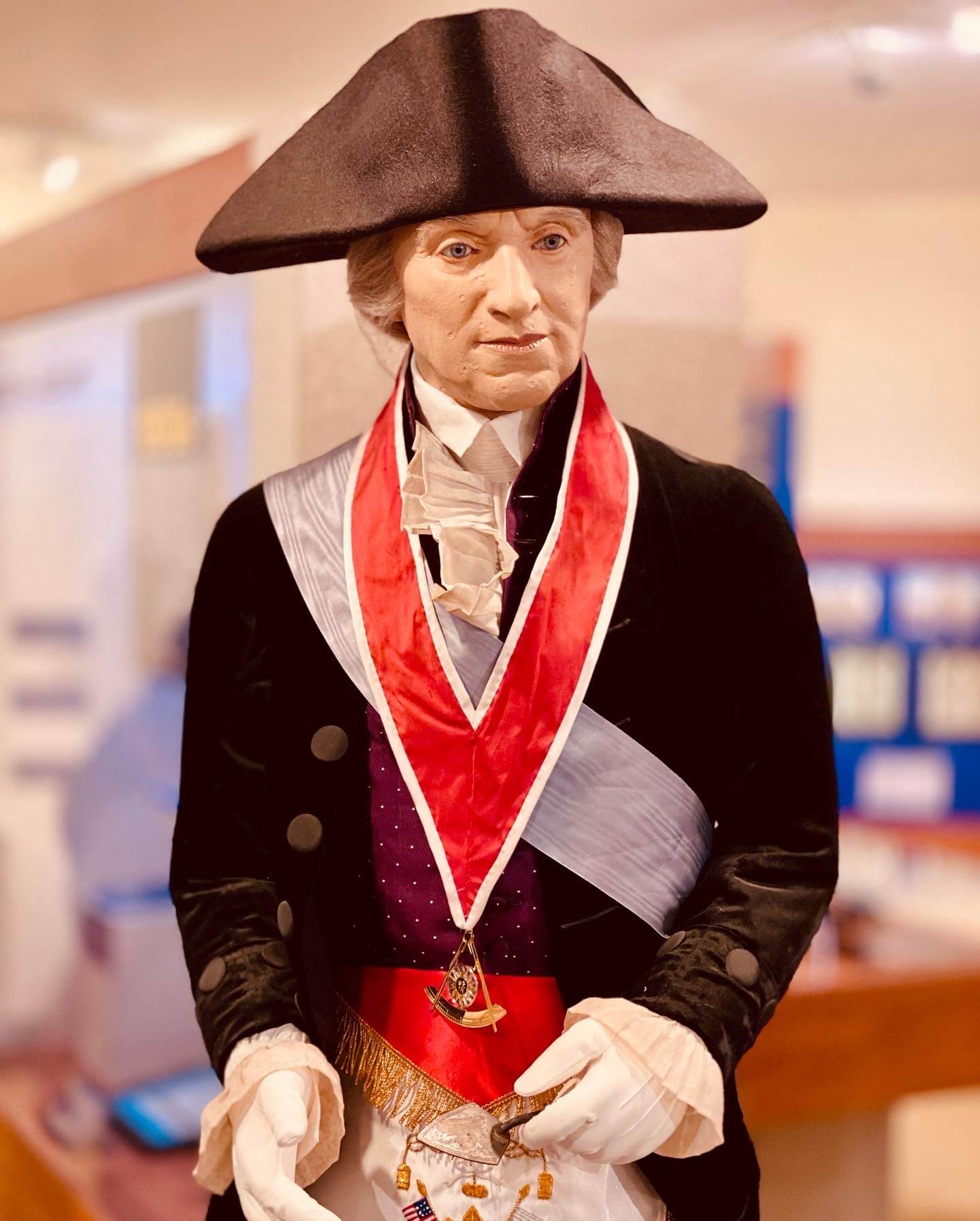
Traveling Man – George Washington National Masonic Memorial

Traveling Man – George Washington National Masonic Memorial

BROTHERHOOD

Traveling Man – GEORGE WASHINGTON NATIONAL MASONIC MEMORIAL

the world’s oldest fraternity

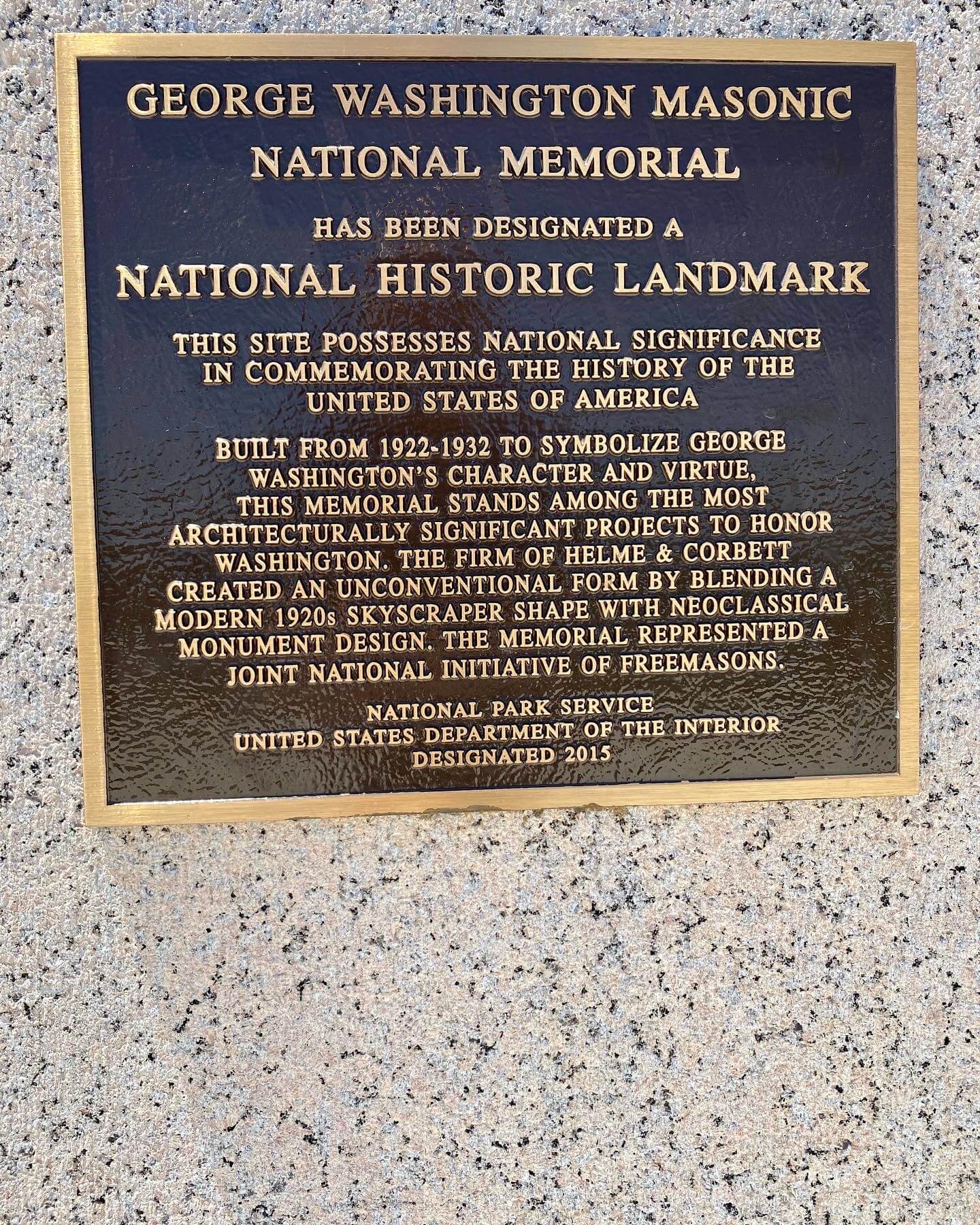
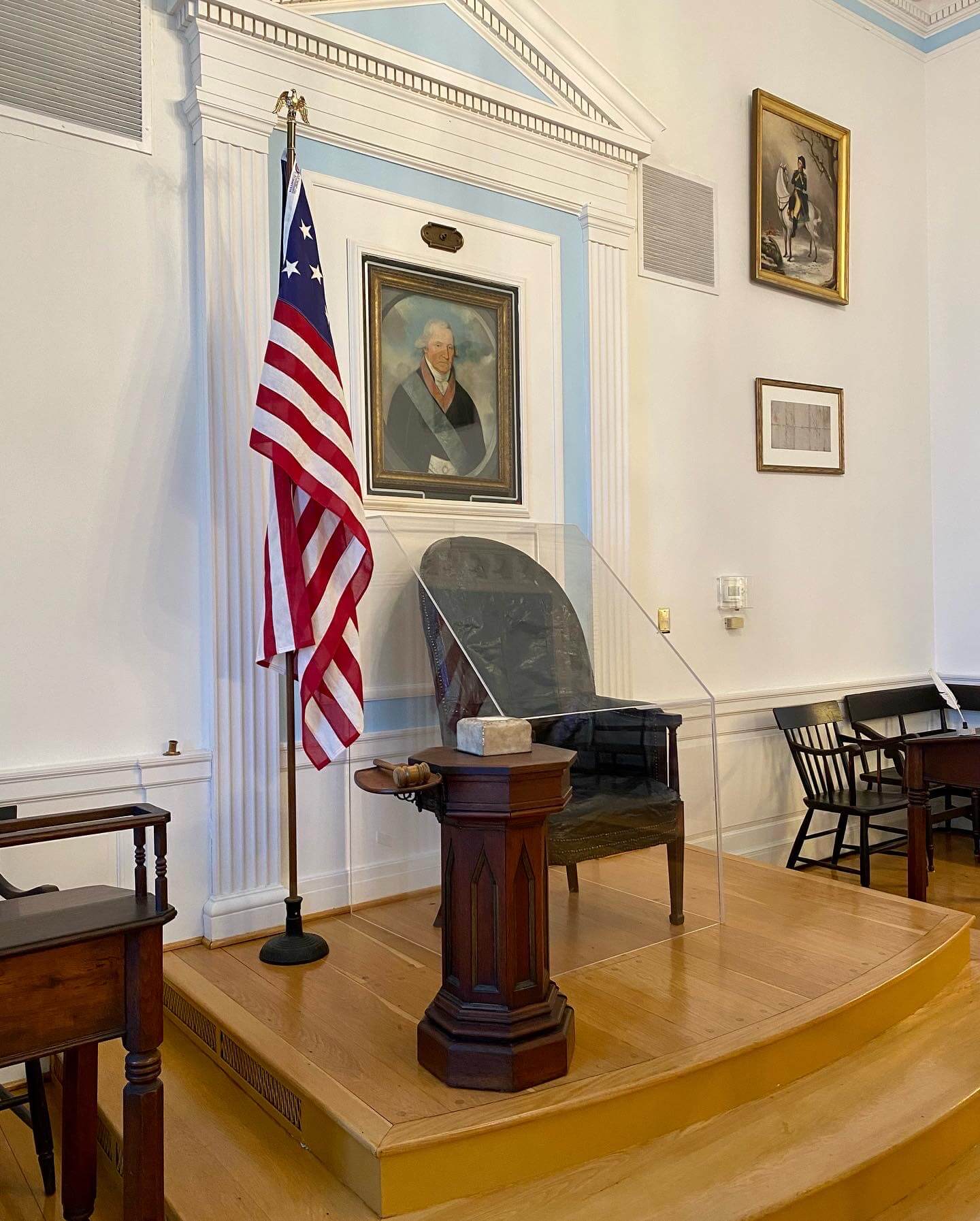
Since relocating to Washington, DC on Memorial Day Weekend 2021, I have been taking in many of the national and Masonic landmarks, museums, and tours available in the Nation’s Capital. Last weekend, I made my first trip to the George Washington National Masonic Memorial in Alexandria, Virginia.
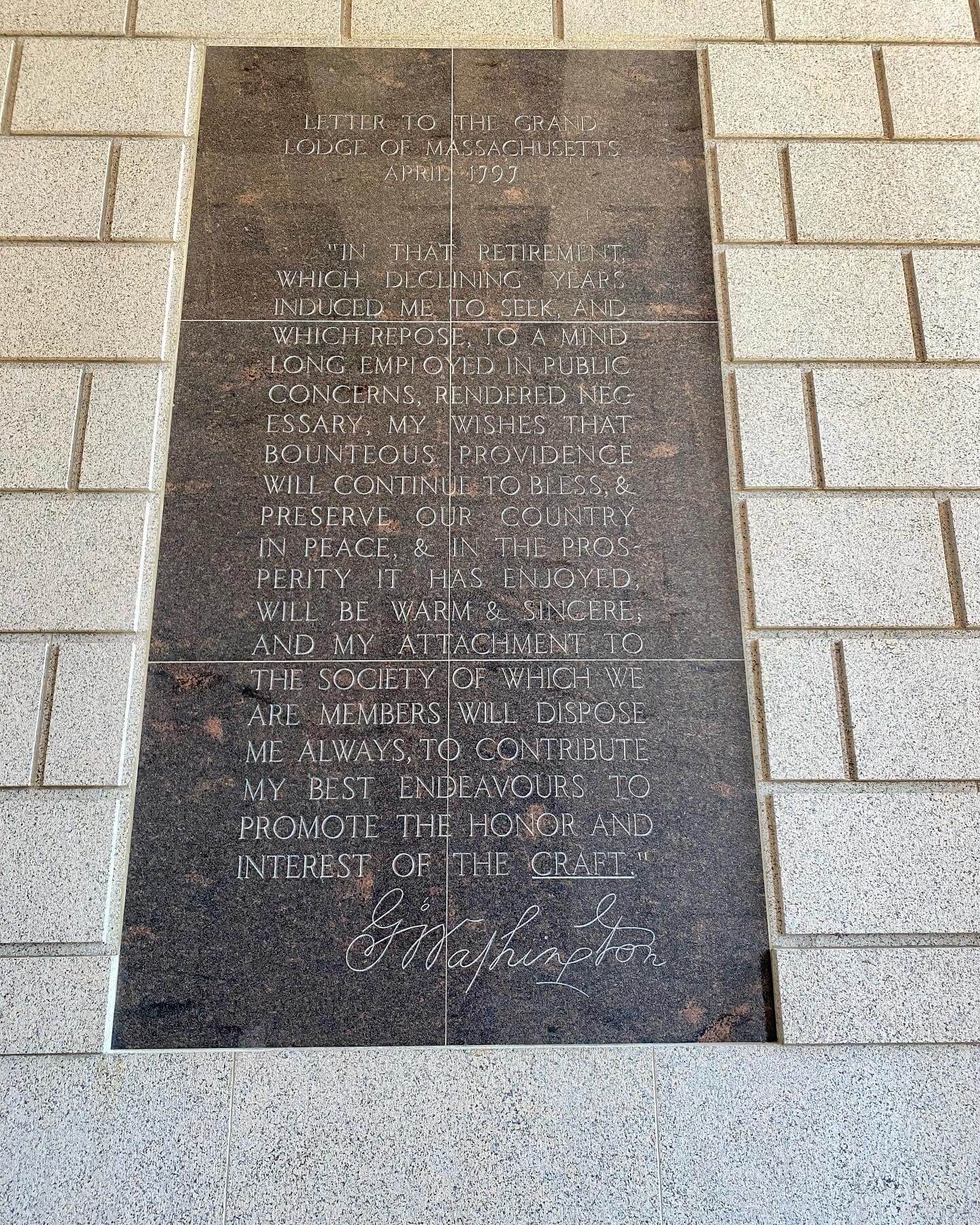
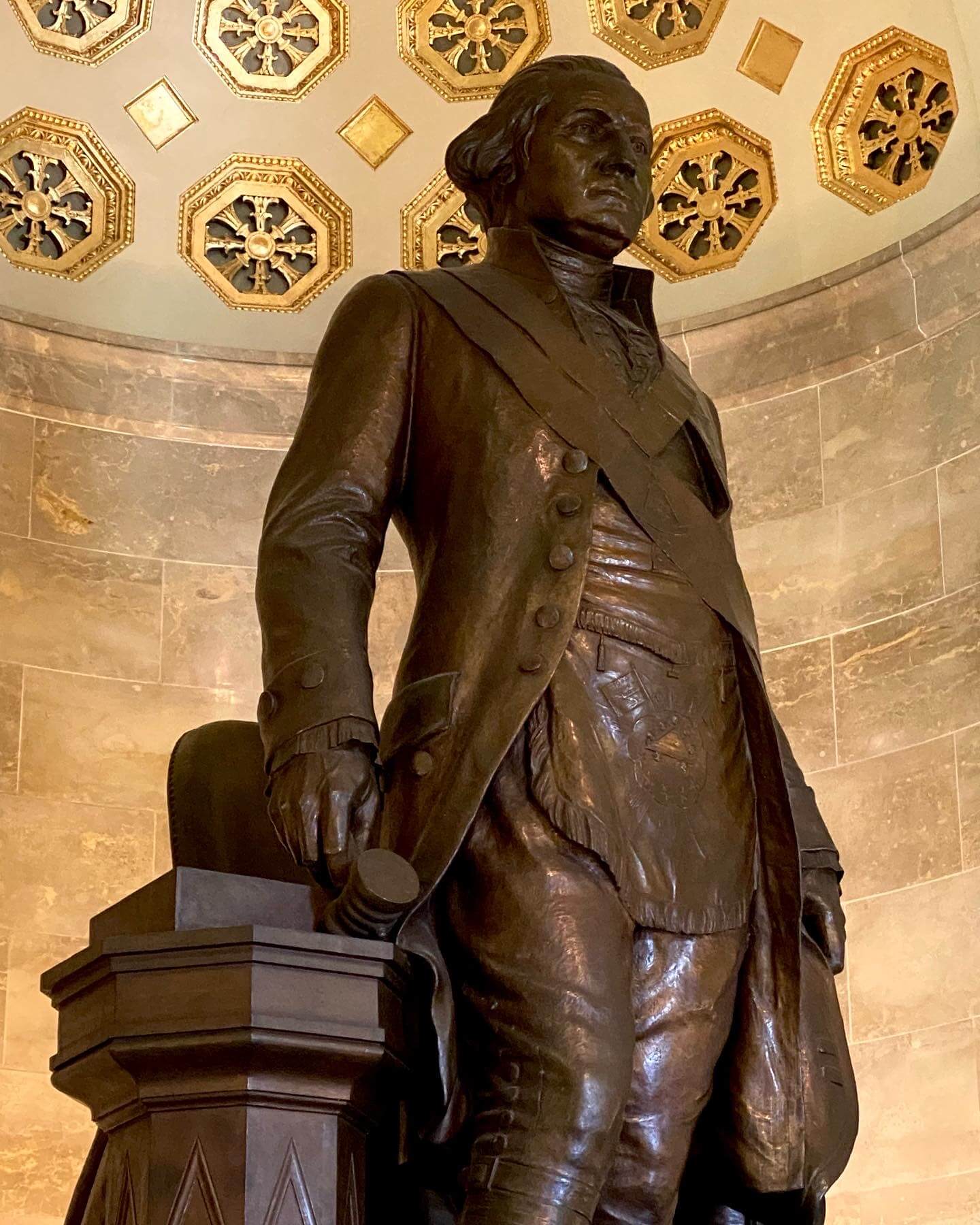
In American Freemasonry, no figure stands taller than George Washington. Hero of the Revolutionary War, Founding Father, the first citizen to hold the office of President of the United States of America; Bro. Washington’s credentials are unmatched. However, this Memorial highlights the history of George Washington, the Mason, a story that is less familiar with many Americans.
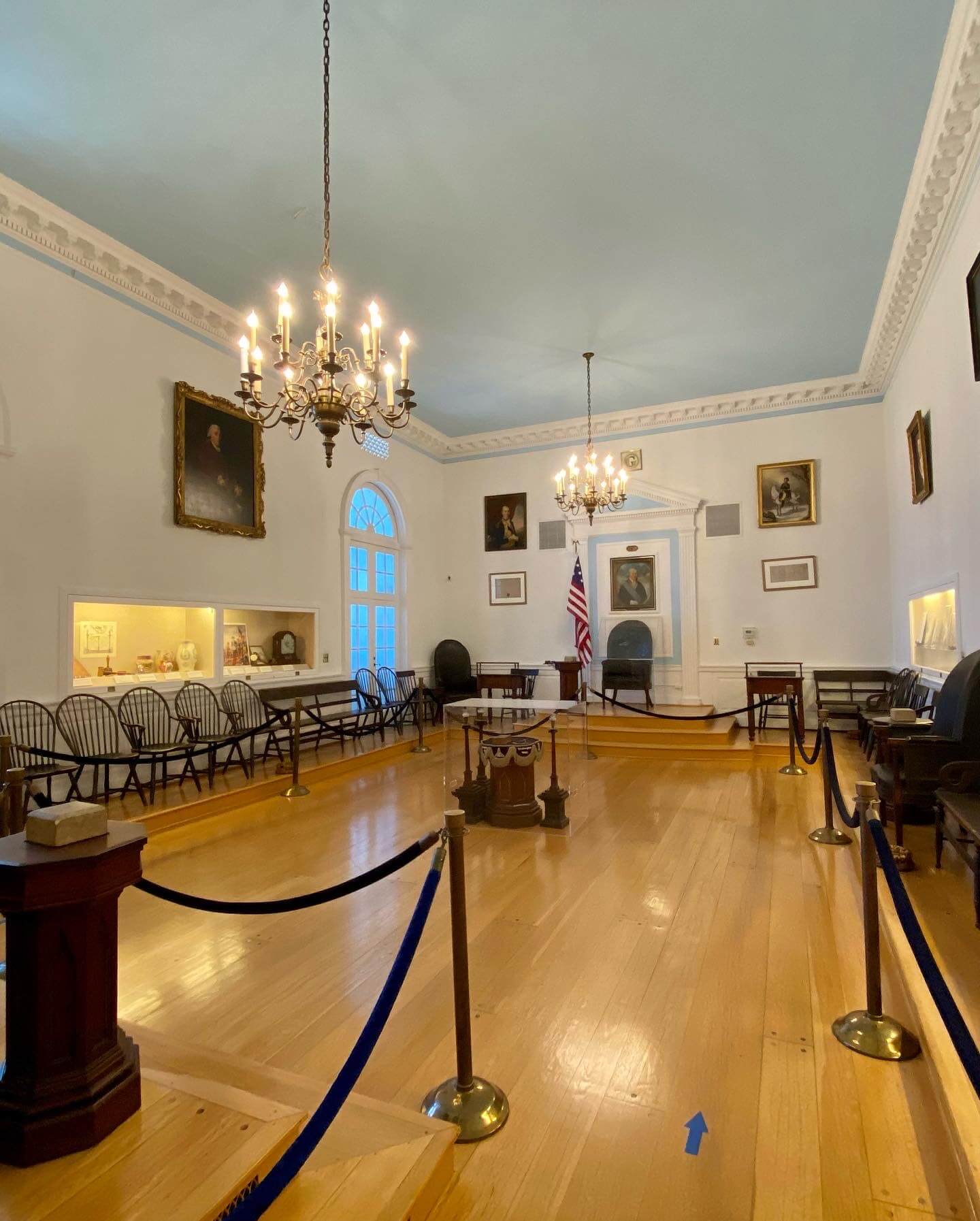
From the impressive position of the memorial building, placed high upon the terrain in Alexandria to the immaculate, grand hall, there is a unique blend of architecture, art, and history that captures the contributions Bro. Washington made to our Beloved Craft. What was personally rewarding for myself was, my visit just happened to coincide with the 100th anniversary of the ground-breaking of the site, on Sunday, June 5, 2022. Our tour guide noted the significance and reminded the group that the 100th anniversary of the cornerstone laying, historic re-enactment event will be held Monday, February 20, 2023, an event that organizers hope to mark with thousands of Freemasons in attendance.
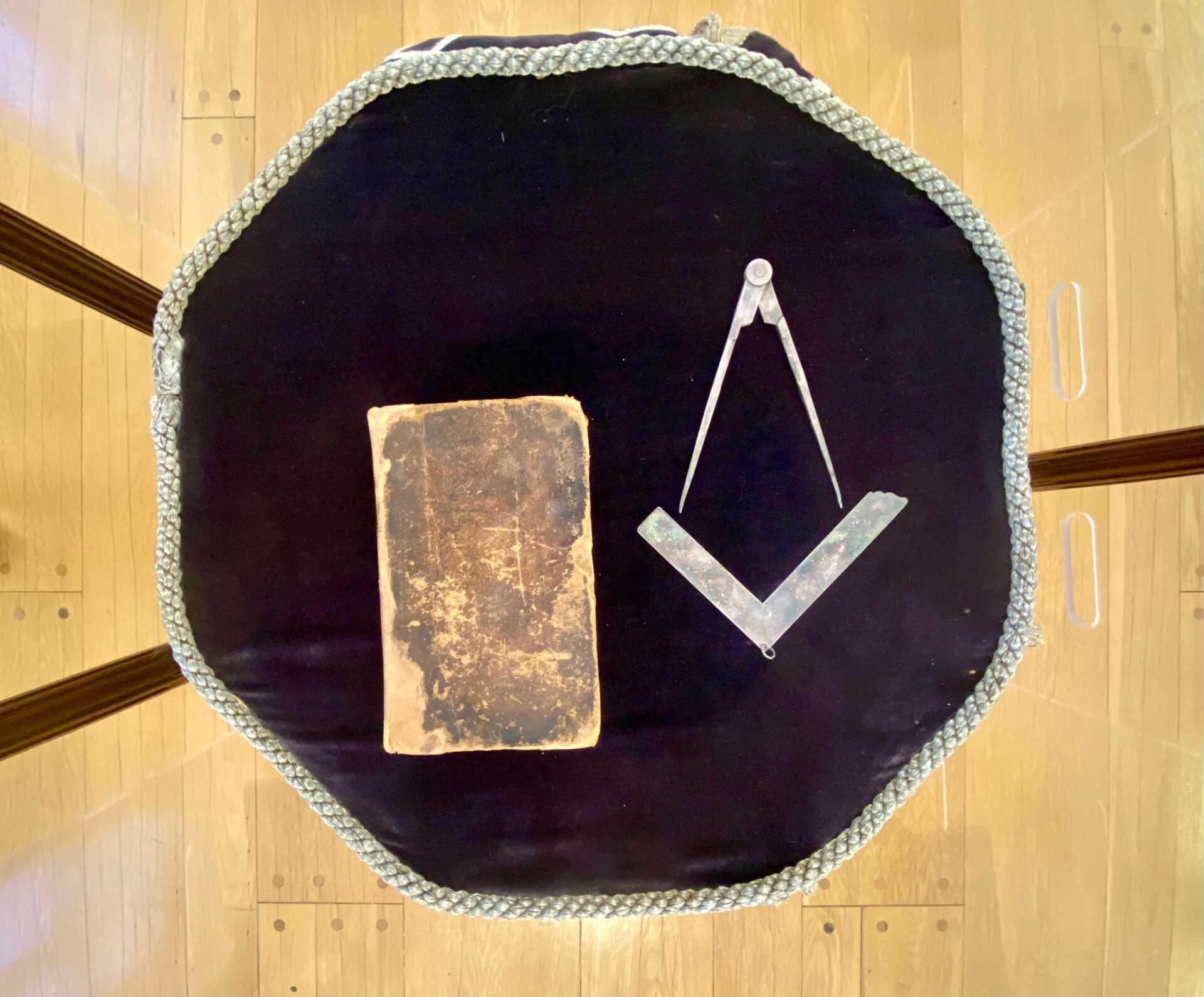
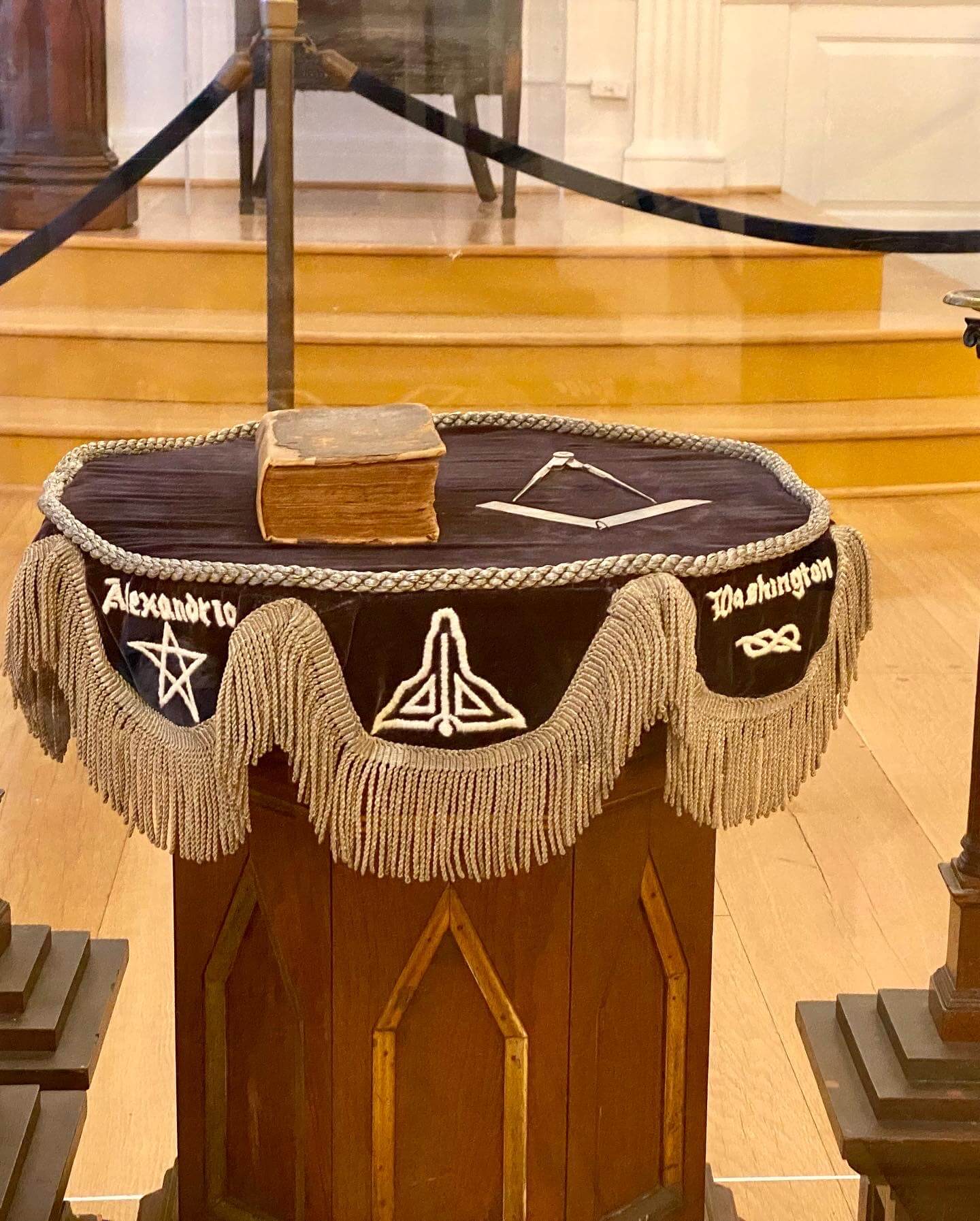
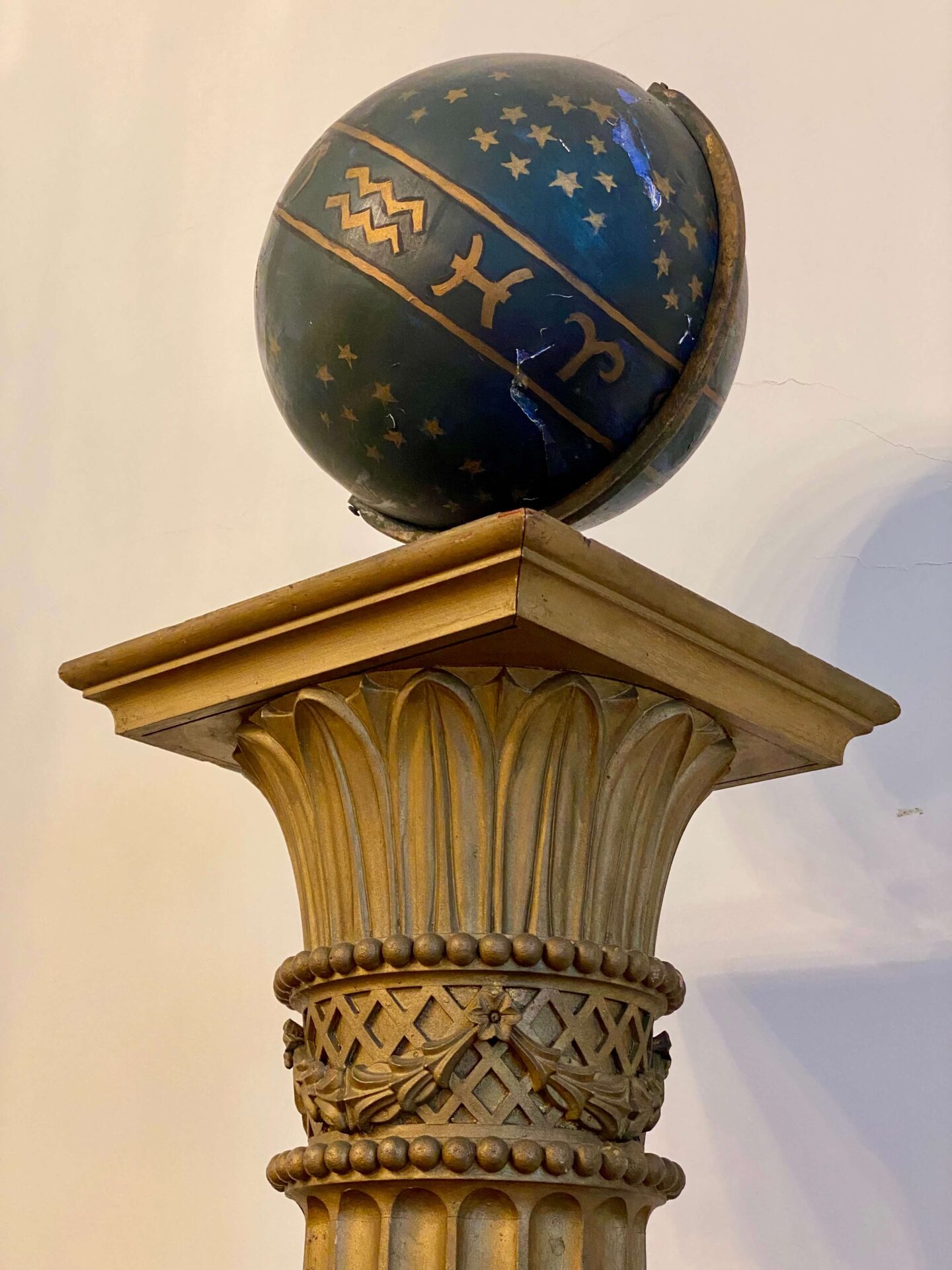
Below are images that I captured during my tour. Stay tuned to Craftsmen Online for 2023 Cornerstone Event photos!
Bro. Michael Arce
Co-Founder, Craftsmen Online
Mount Vernon #3, Albany, New York
JW, St. John’s #11, Washington, DC